Updated for 2026 — This article has been reviewed and updated with the latest recommendations.
10 Best Bike Seats and Saddles in 2026
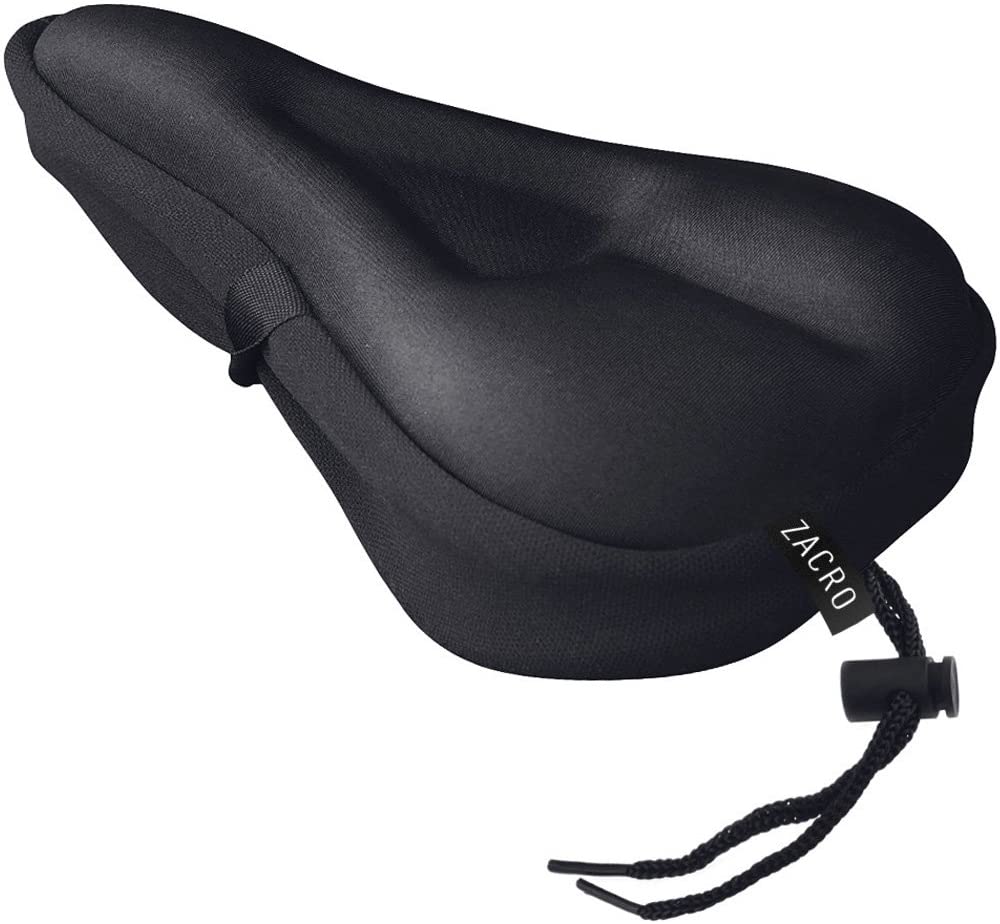
Your saddle is the single point of contact that can make or break a ride. A bad seat leads to numbness, chafing, and the kind of discomfort that makes you never want to get on the bike again. A good one disappears under you and lets you focus on riding. The catch is that comfort is deeply personal, so what works for one rider may not work for another. Here are the best bike seats and saddles for 2026, covering different riding styles and body types.
Best Bike Seats and Saddles
1.
Selle Italia SLR Boost Kit Carbonio Superflow
Selle Italia's SLR Boost Superflow is a top-tier performance saddle with a large center cutout that relieves pressure on soft tissue. The short-nosed design works well with modern aggressive riding positions, and the carbon rails keep weight down to about 175 grams. The padding is minimal but precisely placed, and the shape supports your sit bones without excess width.
At around $250, it is a premium saddle, but for riders who spend serious hours in the saddle, the comfort and performance are worth it. Best suited for road and gravel riders who already have a fairly dialed-in bike fit.
2. Specialized Power Expert with MIMIC
The Specialized Power with MIMIC technology is designed to address soft tissue pressure, and it does so exceptionally well.
The MIMIC padding is strategically placed to support blood flow and reduce numbness in areas where traditional saddles cause problems. The short, wide shape is popular with riders of all genders. At about $165, it is priced in the mid-range of performance saddles. The 143mm and 155mm width options let you match it to your sit bone measurement. If numbness has been a persistent issue for you, this saddle is one of the best solutions available.
3. Brooks B17 Standard
The Brooks B17 is a leather saddle that has been in production for over a century, and it remains one of the most comfortable saddles ever made once it is broken in. The vegetable-tanned leather molds to your body over time, creating a custom fit that no synthetic saddle can match. The break-in period takes a few hundred miles, during which the saddle can feel stiff. But after that, it is incredible.
At about $130, it is reasonably priced for a saddle that can last decades with proper care. Best for commuters, tourers, and anyone who values long-term comfort over lightweight performance.
4. Ergon SM Pro
Ergon specializes in ergonomic cycling products, and the SM Pro saddle reflects that expertise.
It uses an orthopedic foam padding layer over a flexible shell that absorbs vibrations from rough roads. The relief channel down the center reduces pressure, and the overall shape is designed around clinical studies of pelvic anatomy. At about $100, it offers excellent value for a saddle with this level of ergonomic design. It comes in two widths (small and medium/large) based on sit bone measurement.
Particularly good for gravel and mountain bike riders who encounter rough terrain regularly.
5. Cloud-9 Cruiser Select Saddle
For casual riders who just want a comfortable seat for recreational rides, the Cloud-9 Cruiser Select is hard to beat. The dual-density foam padding is generous, the lycra cover is smooth, and the wide shape supports a more upright riding position.
It includes springs at the rear that absorb bumps. At about $30, it is affordable and immediately comfortable right out of the box. It is not designed for performance riding and would be too soft and wide for anyone putting in serious miles, but for weekend cruising, short commutes, and casual bike path riding, it is perfectly suited.
Finding the Right Saddle
The biggest mistake riders make is choosing a saddle that is too wide or too soft. More padding is not always better. Excess padding compresses and shifts under you, creating friction and pressure in all the wrong places. Start by measuring your sit bones. Many bike shops have a tool for this, or you can use a piece of corrugated cardboard at home. Match your sit bone width to the appropriate saddle width. Then consider your riding position. The more aggressive and leaned-forward you ride, the narrower your saddle should generally be. Give any new saddle at least five rides before deciding whether it works for you.
Get the best of Bikepackers Magazine
Expert guides, reviews, and tips delivered to your inbox. No spam, unsubscribe anytime.